

Coffee and medication can interact with one another. This is largely due to the caffeine in coffee, which may intensify or reduce the effects of a range of medications.
Caffeine is a stimulant drug that is present in coffee, tea, energy drinks, some sodas, and chocolate. It can interfere with how the body absorbs certain medications.
Caffeine can also add to the stimulant effects of other drugs and mask the effects of depressant drugs, such as alcohol.
Read on to learn whether it is safe to mix coffee with medication, some of the interactions this may cause, and what to do instead.
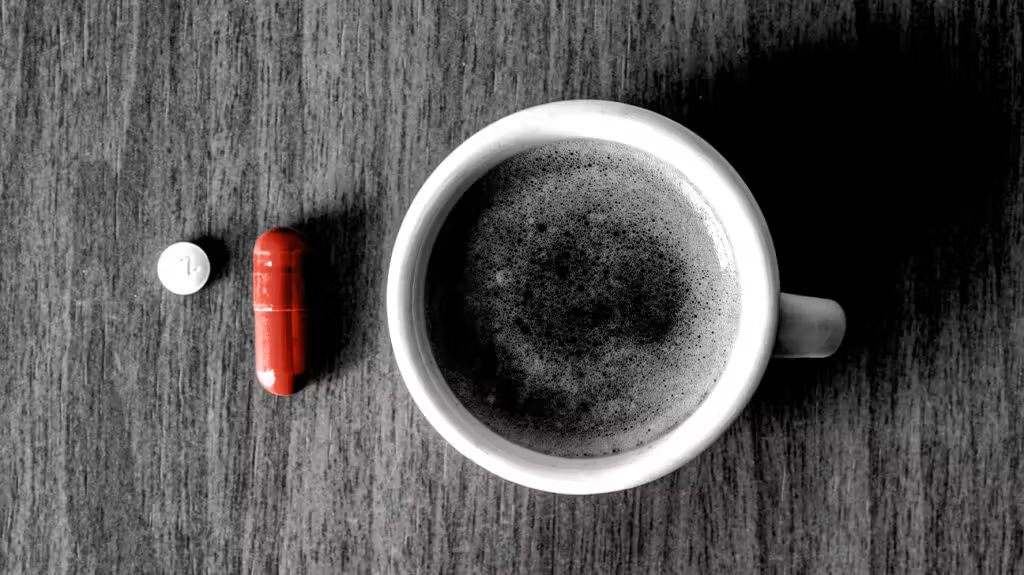
This depends on the medication. People should not take certain drugs at the same time as drinking coffee, but in other cases, it may have little effect.
For example, people
In contrast, caffeine can improve how well the body absorbs acetaminophen. Some over-the-counter (OTC) pain products contain caffeine as an ingredient because it can enhance the effects of this drug.
Because the effects are varied, people need to check on the label of their medication or ask a doctor or pharmacist whether it is safe for them to take their medication with coffee.
Yes, coffee and other sources of caffeine
There are several ways caffeine can interact with drugs:
- Altering absorption: A 2020 review notes that coffee increases stomach acid pH, which can affect how well drugs dissolve and how quickly they pass through the digestive system.
- Forming a complex: The same review notes that in previous studies, caffeine formed a complex with other drugs that makes them harder for the body to absorb. This happens with the antidepressant escitalopram (Lexapro) as well as iron supplements.
- Competing for CYP1A2: An enzyme known as CYP1A2 breaks down caffeine. However, because this enzyme also breaks down lots of other drugs, mixing coffee with those medications can mean they compete with one another, breaking down more slowly and increasing how much of the drug is in a person’s bloodstream.
- Enhancing a stimulant: Caffeine can compound the effects of other stimulant drugs, which may lead to stronger effects and possibly adverse reactions.
- Masking a depressant: Because caffeine stimulates the nervous system, it can counteract the effects of depressants, which have the opposite effect. For example, alcohol is a depressant. Consuming caffeine alongside alcohol may cause a person to feel they are less drunk than they are.
Any of these interactions could increase the risk of side effects or negative drug reactions. For some drugs, this interaction may even be dangerous, particularly if a person takes large doses of caffeine.
Coffee may decrease the effects of:
- iron supplements
- vitamin D supplements
- calcium supplements
- glucose, which people use to treat low blood sugar
- thyroxine, which treats an underactive thyroid
- escitalopram (Lexapro), an antidepressant
- phenothiazines and butyrophenone, which are antipsychotic drugs
- memantine (Namenda) and donepezil (Aricept), which treat Alzheimer’s disease
However, coffee may increase the absorption or effects of:
- aspirin
- acetaminophen
- felodipine, a calcium channel blocker used for high blood pressure
- ergometrine, which treats bleeding after childbirth
- levodopa, which treats Parkinson’s disease
There are also drugs that compete with caffeine for the CYP1A2 enzyme, which breaks down numerous drugs. This may lead to higher levels of the drug, or of the caffeine, in the blood for a longer period of time.
These drugs can include:
- melatonin
- warfarin
- amitriptyline, which is a migraine medication
- dextromethorphan, a cough medication
- pefloxacin, which is an antibiotic
- lithium, which people take for depression and bipolar disorder
- theophylline, a drug that treats breathing difficulties
- propranolol, a beta-blocker
- local anesthetics, such as lidocaine and ropivacaine
- antipsychotics, such as clozapine, olanzapine, and haloperidol
- antidepressants, such as clomipramine, imipramine, and bupropion (Wellbutrin)
- mexiletine, a sodium channel blocker
- verapamil, a calcium channel blocker
- triamterene, a diuretic
- methotrexate, which is an immune-suppressing and chemotherapy drug
This is not a comprehensive list. Researchers are still learning about the ways caffeine may interact with different drugs.
A 2021 review of previous research states caffeine may also interact with:
- diabetes drugs
- sedatives
- other nonsteroidal anti-inflammatory drugs
- other blood-thinning drugs
Anyone with concerns about whether caffeine could interact with their medications should check with a doctor or pharmacist.
This may depend on the medication. Anecdotally, some people recommend waiting 1 to 2 hours. However, there are no studies showing this works for all medication types, so this may not be accurate.
There are also some medications people
If a person is unsure, they should ask a doctor or pharmacist for advice.
Depending on the drug, a person may not need to do anything if they take medication with caffeine. Some medications, such as acetaminophen and aspirin, are safe to take with caffeine.
But consuming caffeine alongside some drugs may increase their effects or cause unpleasant reactions. For example, taking another stimulant with caffeine may result in anxiety.
In other cases, caffeine may decrease the absorption of a drug or supplement. This could be potentially problematic, particularly if a person is taking that drug to manage an ongoing or serious condition.
If these effects are mild, a person may need to wait until they fade on their own.
However, if the side effects are severe or worrying, or a person is taking a drug to manage a serious condition, they should contact a doctor right away.
Some examples of severe drug interaction symptoms include:
- a very rapid or irregular heart rate
- high blood pressure
- difficulty breathing
- vision changes
- confusion
- lack of coordination
- twitching or rigid muscles
- shaking or tremor
- a worsening of depression symptoms
- suicidal thoughts
- seizures
- altered mental state
- loss of consciousness
Below are answers to some common questions about caffeine and medications.
Can I drink coffee when taking antidepressants?
Caffeine can increase the effects of several antidepressants, including amitriptyline, fluvoxamine, clomipramine, mianserin, and imipramine.
The result of these interactions can range from mild to severe. In rare cases where people have consumed very large amounts of coffee in a short period, it even contributed to serotonin syndrome, which is a serious drug interaction.
Caffeine can also be generally unhelpful for people with anxiety. People may want to avoid coffee when taking antidepressants, although this may depend on the specific drug and their reasons for taking it.
Can I drink coffee when taking antibiotics?
People should avoid consuming caffeine while taking some antibiotics. This may mean avoiding coffee for a while. People can check the drug label or ask a doctor or pharmacist for advice.
Coffee and medications can interact with each other in several ways. The caffeine in coffee may increase or decrease the effectiveness of the medication. The reverse is also true; some drugs can increase or decrease the effects of caffeine.
Always check for drug interactions before mixing caffeine with medications. A doctor or pharmacist can advise on how to avoid negative side effects, possibly by taking the medication at a different time from drinking coffee or by switching to caffeine-free alternatives.
Do not change a medication’s timing or dosage without consulting a doctor first.