

Green tea and matcha come from the same plant and share many benefits. One is not necessarily healthier than the other, though matcha may be slightly richer in nutrients due to its processing.
Matcha and green tea both stem from the Camellia sinensis plant. Green tea tends to be loose or bagged. Matcha is a fine powder of green tea leaves, and typically has a stronger concentration of nutrients and antioxidants.
Each form of tea may have its own benefits for the body, and some people may prefer the flavor or properties of one over the other.
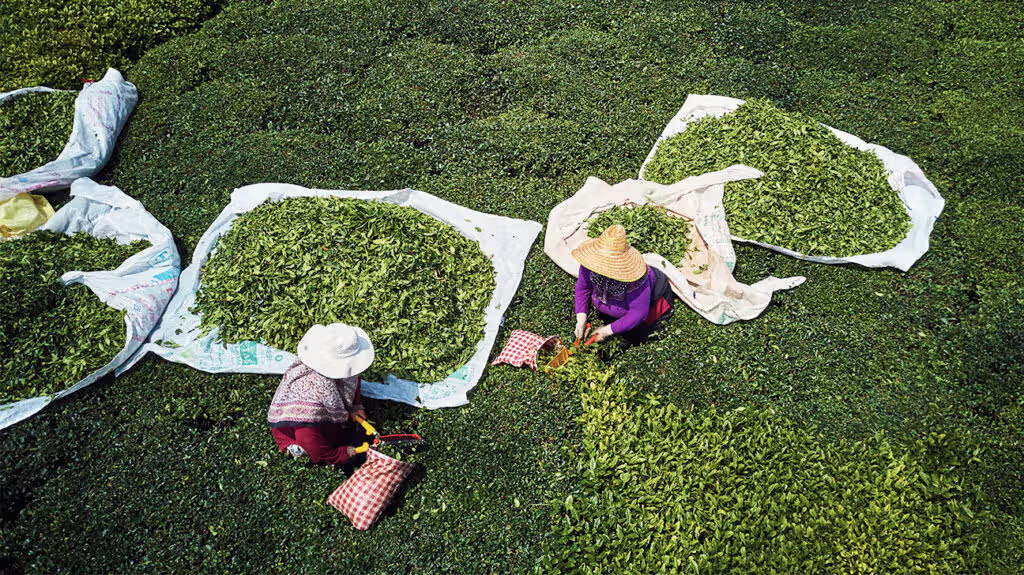
Green tea is one form of tea from the Camellia sinensis plant. Other types of tea that use this plant include black, white, and oolong tea.
For green tea, manufacturers harvest the tea leaves and quickly heat them. This helps prevent the leaves from oxidizing and becoming brown. Depending on the type of tea, they may use different methods, such as steaming, pan firing, or sun drying, to process the leaves.
They then roll and dry the leaves to create their final form. Steeping the tea leaves in hot water creates the tea.
Green tea has an earthy, grassy, or vegetable-like taste. When brewed, the tea leaves create a clear, yellowish green to light brown liquid. Green tea may have a mildly bitter flavor in the mouth.
Brewing the tea for too long creates a darker brew that may be too bitter for some people.
Matcha is a type of green tea. Manufacturers use specialized growing and processing techniques to turn the Camellia sinensis leaves into matcha.
They grow the tea plant in the shade toward the last few weeks of harvest. This protects it from sunlight and slows down growth, giving the tea leaves their distinct characteristics.
After harvest, the manufacturers dry the leaves quickly to minimize oxidation. They then remove the stems and veins from the leaves and grind the leaf material into a fine, bright green powder.
Dissolving the powder in hot water creates the tea. Traditionally, people used bamboo whisks to help remove clumps of the powder and give the beverage a consistent feel. Modern whisks or electric milk frothers may achieve similar results.
Matcha has a vibrant green color. Depending on the preparation, it may be slightly foamy at the top. Matcha has a grassy, earthy flavor, with sweet and bitter undertones.
Adding milk or a sweetener to the preparation may mellow the flavor if a person finds that it is too strong for them.
Matcha’s boldness makes it popular in culinary recipes. People who drink matcha may add it to milk or a plant-based milk to create a matcha latte instead of coffee.
Matcha and green tea come from the same plant as other teas. The main differences are in their production processes and the content of the end product.
Matcha undergoes a slightly different growth and extraction process than other teas, including protecting the leaves from oxidation. These steps help control variables in production and give matcha its unique characteristics and flavor.
Other teas may go through multiple processes, such as heating, drying, and rolling, after harvest. The exact processes vary depending on the type of green tea.
The end product causes differences in flavor for matcha and green tea. Where green tea may have a light, refreshing flavor, matcha tends to be rich, with a stronger, grassy flavor.
The caffeine content will vary depending on the preparation. Per gram, green tea contains about
The teas may also have differing price points. Matcha’s added processing may make it more expensive than green tea.
People have historically used green tea for its health benefits in countries such as China and Japan.
Green tea and its compounds may help to:
- prevent fat storage in the liver
- prevent alcohol-induced liver damage
- suppress tumors
- reduce ultraviolet skin damage
- inhibit certain bacteria and viruses
- improve heart disease risk factors, such as:
- reduce the risk of heart attack
- improve gut bacteria
- protect against stress-induced brain injuries
- protect against brain aging processes
- prevent dental caries
Research into green tea’s extensive potential benefits is ongoing.
Matcha shares many of green tea’s benefits. Its growing, harvesting, and preparation processes may boost the production of certain compounds that benefit health, which may make it the best concentrated source of these compounds.
Specifically, these processes
- caffeine
- theanine
- chlorophyll
- antioxidant catechins
Epigallocatechin-3-gallate is the most active and abundant antioxidant in green tea, and it is at its highest concentrations in matcha.
The potential benefits of matcha may include:
- improved memory and the ability to think
- reduced oxidative stress
- fighting inflammation
- improved markers of metabolic health
- strengthened blood vessels in the heart
- reduced factors of tumor growth in the gut
Because matcha uses the whole leaf, people may get a more complete extraction of the compounds in the tea.
Green tea and matcha share many of the same health benefits.
Matcha may contain higher quantities of some compounds. Its shade-growing process may boost the levels of important compounds, such as l-theanine, chlorophyll, and antioxidants. Green tea still contains these compounds, but matcha may contain more.
The brewing process extracts healthy compounds and nutrients from the tea leaves into the water. However, some nutrients and compounds in green tea leaves may not diffuse into the hot water during brewing.
With matcha, the person consumes the leaves themselves. This may increase the levels of the nutrients they take in. How much more they take in will vary depending on various factors, such as the quality of the tea, the extraction time, and the amount of tea in the brew.
People looking for higher levels of antioxidants from their tea may prefer matcha. Depending on the preparation of each, matcha may contain more antioxidants than standard green tea.
However, more is not necessarily better. Consuming too many antioxidants may have an
Someone who consumes
Matcha and green tea are both forms of green tea. Their cultivation and preparation methods set them apart, both in flavor and the concentration of some compounds.
Green tea using brewed tea leaves has a light, grassy flavor and provides the body with a number of vitamins, minerals, and antioxidants.
Matcha is the pulverized version of green tea leaves, and it contains a stronger concentration of some key nutrients and antioxidants.
Some people prefer one or the other due to flavor preferences or their referred preparation. Both types of tea have similar health benefits.